Yueruis som en av de profesjonelle KinaProdusenter av kjøretøysikringerog KinaVehicle Restraint fabrikk, Vi er sterk styrke og fullstendig ledelse. Dessuten har vi egen eksportlisens. Vi driver hovedsakelig med å lage en serie med Vehicle Restraint og så videre. Vi holder oss til prinsippet om kvalitetsorientering og kundeprioritering, vi ønsker hjertelig velkommen dine brev, samtaler og undersøkelser for forretningssamarbeid. Vi forsikrer deg om våre tjenester av høy kvalitet til enhver tid.
Med perfekte leverandører av lasteromsutstyr, industriporter og relatert tilbehør til dokkingsystemer, fokuserer vi på alle sider for å møte kundenes ulike krav. Vi befinner oss i ShanghaiChina for å utvide sin moderne ressurs og enkel transport til oversjøiske markeder, og vi nyter også et godt produksjons- og driftsmiljø som gir praktiske trafikkforhold.
Under hele behandlingen vil kjøretøyets fastholdelsesanordning også justeres automatisk i henhold til bilens haleflytende og skinnens faste tilstand for å sikre sikkerheten. Når laste- og lossearbeidet er fullført, trykker operatøren på bryterne igjen, alle trinn vil bli fullført.
Fabrikken vår har mer erfaring i produksjon av kjøretøybegrensning, og vi kan tilby flere typer. Hvis du vil vite mer om disse, velkommen til å kontakte oss!

Under hele behandlingen vil kjøretøyets fastholdelsesanordning også justeres automatisk i henhold til bilens hale flytende og skinnefast tilstand for å sikre sikkerhet. Når lasting og lossing er fullført, trykker operatøren på bryterne igjen, alle trinnene blir fullført.
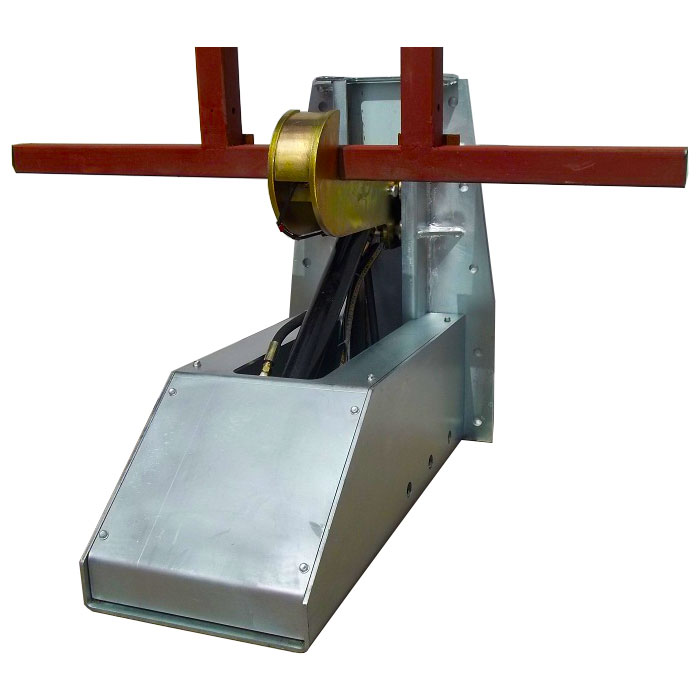
Vehicle restraint systems, also known as dock locks, dock lock systems, truck restraints, or trailer restraints, are essential safety devices installed at loading docks to secure trucks and trailers during loading and unloading operations.
Yueruis Vehicle Restraint Systems are designed to firmly lock the rear impact guard (RIG) of the vehicle, preventing unexpected movement, trailer creep, or early drive-off accidents. They provide the highest level of safety for dock workers, forklift operators, and cargo.
These systems are widely used in warehouses, factories, logistics centers, distribution hubs, and cold storage facilities.
The primary purpose of a dock lock is to eliminate dangerous vehicle movement at the loading bay.
Key Safety Functions:
Prevent truck creep caused by forklift movement
Stop premature drive-offs before loading/unloading is complete
Reduce risk of dock collapse, worker injury, and cargo damage
Maintain stable alignment between truck and dock leveler
By physically restraining the vehicle, dock locks create a secure loading environment, significantly reducing accident risks.
Yueruis dock locks operate through a mechanical or powered restraining hook that engages the truck’s rear impact guard.
Truck backs into the loading dock
Vehicle restraint automatically or manually engages the trailer
Dock traffic light switches to green inside / red outside
Loading or unloading begins safely
Once complete, restraint is released and traffic signals change
This simple but reliable process ensures clear communication and prevents operational errors.
Highest Safety Level: Prevents trailer movement and accidents
Heavy-Duty Construction: Designed for industrial, high-cycle use
Clear Visual Communication: Integrated dock signal lights
Easy Operation: Simple control panel for dock staff
Low Maintenance: Durable components with long service life
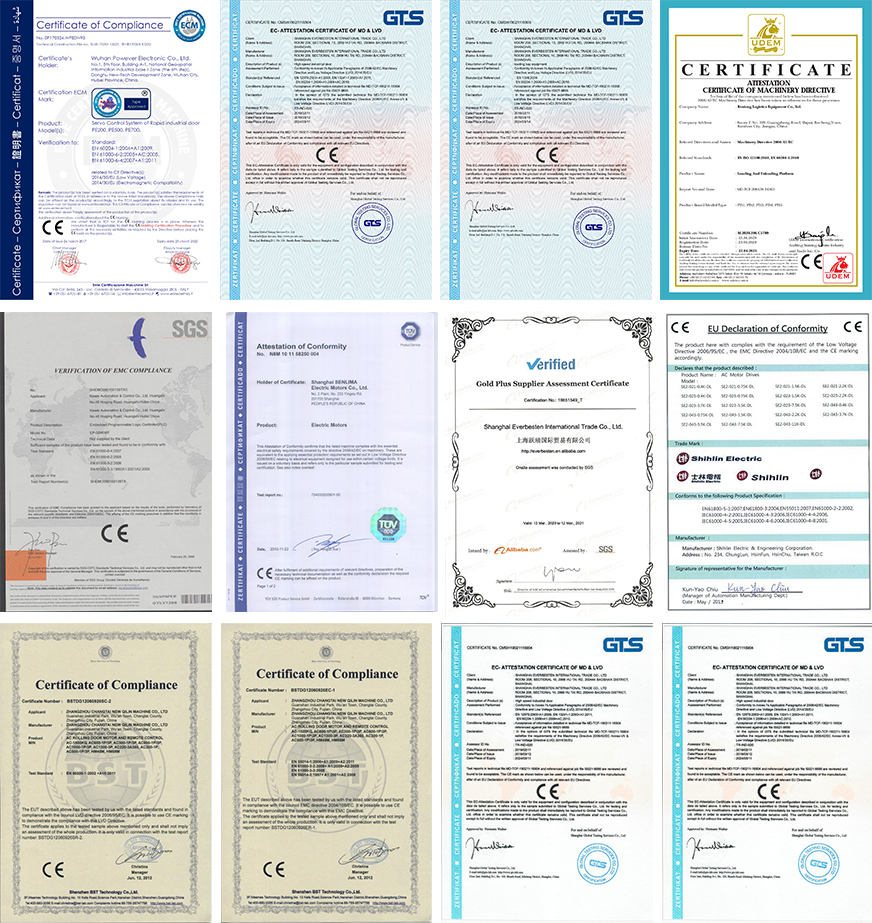
All Yueruis vehicle restraints are manufactured under CE, ISO, and SGS certified quality systems.
Q1: Why is a vehicle restraint system safer than wheel chocks?
A: Vehicle restraints physically lock the trailer, preventing movement entirely, while wheel chocks can slip or be forgotten.
Q2: Can Yueruis vehicle restraints work with different truck types?
A: Yes. They are designed to accommodate most standard rear impact guards.
Q3: Are dock traffic lights necessary?
A: Yes. They greatly improve communication and reduce human error during loading operations.
Q4: Can the system be customized?
A: Absolutely. Yueruis offers customization based on dock design, traffic volume, and safety requirements.